For Homeschooling

  • verbs in spanish

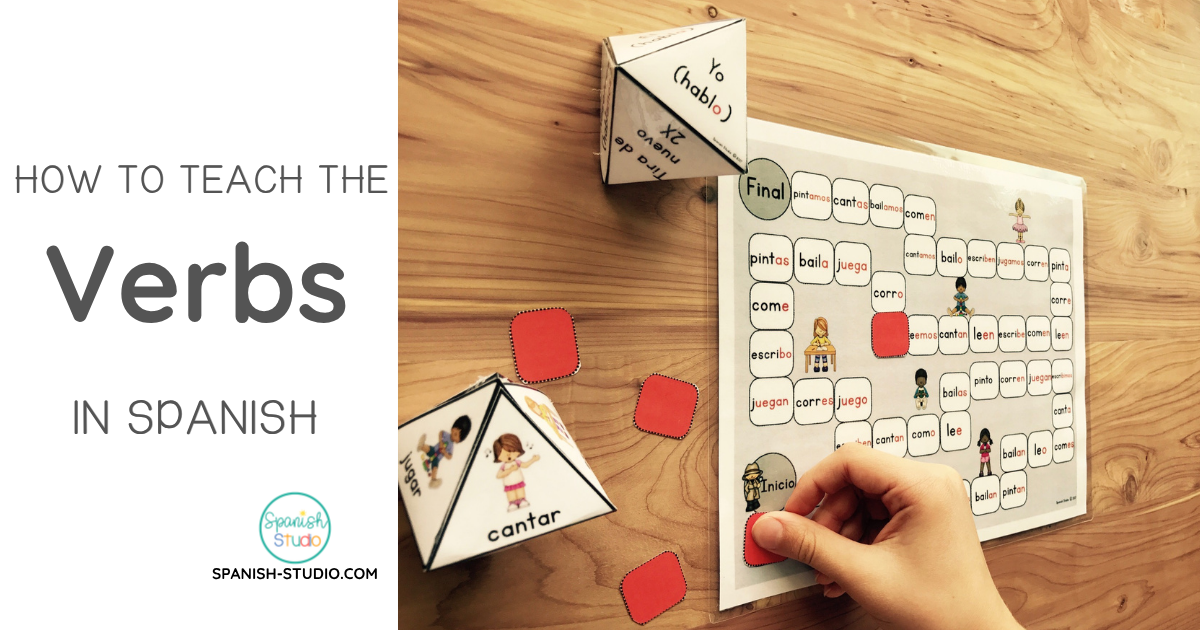
    How to Teach the Verbs in Spanish

    Verbs in Spanish are words that represent actions. They are the heart and soul of sentences and one of the most challenging concepts for students to learn. Conjugating verbs requires a lot of practice in context, meaning in a way that makes sense to the student, not just through memorization or drills. How to Teach […]

    Read More

  • weather in spanish

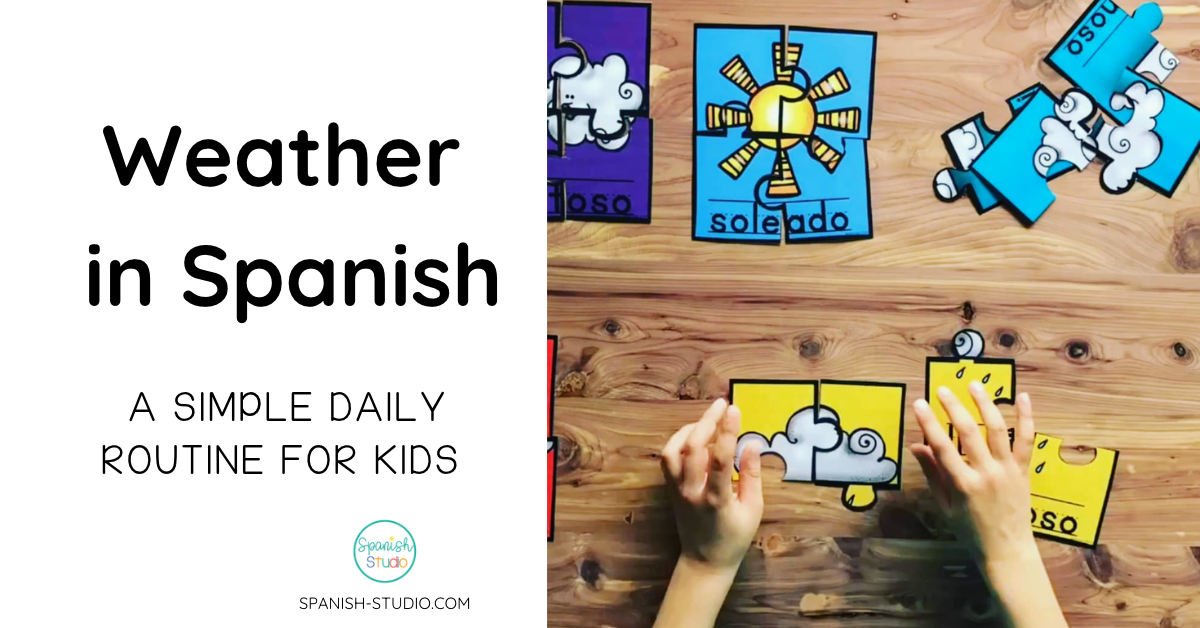
    Weather in Spanish: A Simple Daily Routine for Kids

    It’s Sunday night, and tomorrow’s Spanish isn’t planned. Weather in Spanish is the shortest lesson you can teach, and it works whether you’re a parent trying to keep Spanish going between homework and dinner, or a teacher with a stack of papers still to grade. You don’t need a whole lesson. You need something short […]

    Read More

  • shapes in spanish

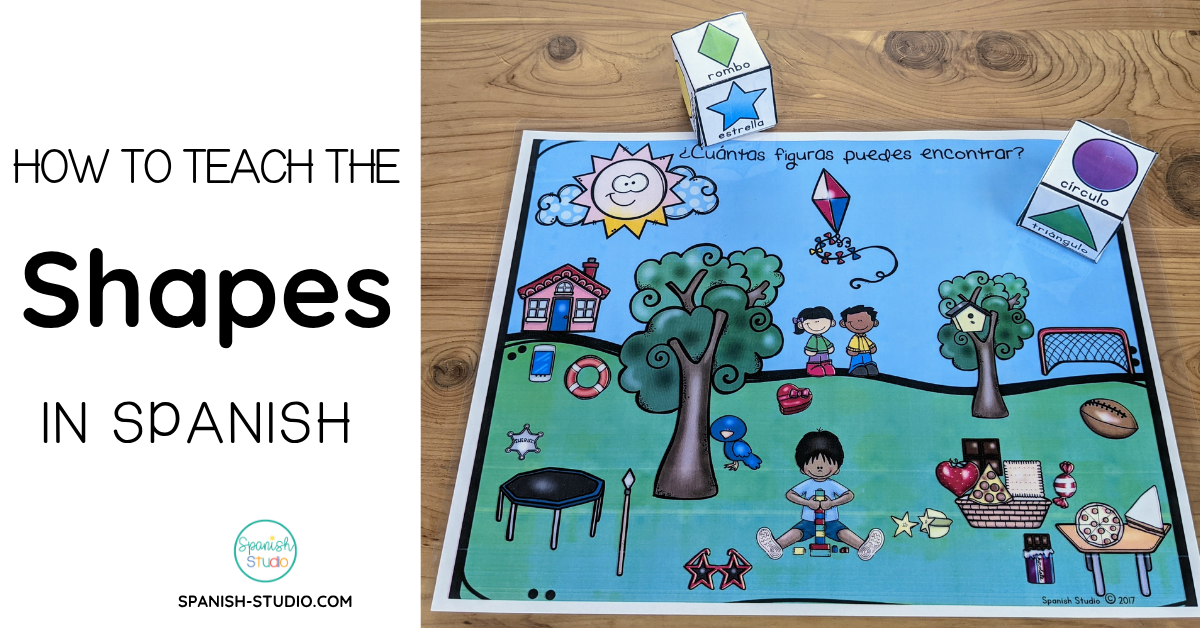
    How to Teach the Shapes in Spanish

    Did you know most kids can name a circle and a square in Spanish before they can count to ten? That’s because shapes in Spanish, known as figuras geométricas, show up everywhere in a child’s world, long before formal lessons ever begin. Teaching shapes in Spanish isn’t just about vocabulary. It’s one of those rare […]

    Read More

  • senses in spanish 2

    10 Five Senses in Spanish Activities for the Spanish Classroom

    The Five Senses in Spanish is a great thematic unit to use in the Spanish Classroom. Little children are naturally driven to explore the world around them, and they do it through their five senses. Because language acquisition happens through repeated exposure to the language used in different contexts multiple times, all the input children […]

    Read More

  • nursery rhymes spanish

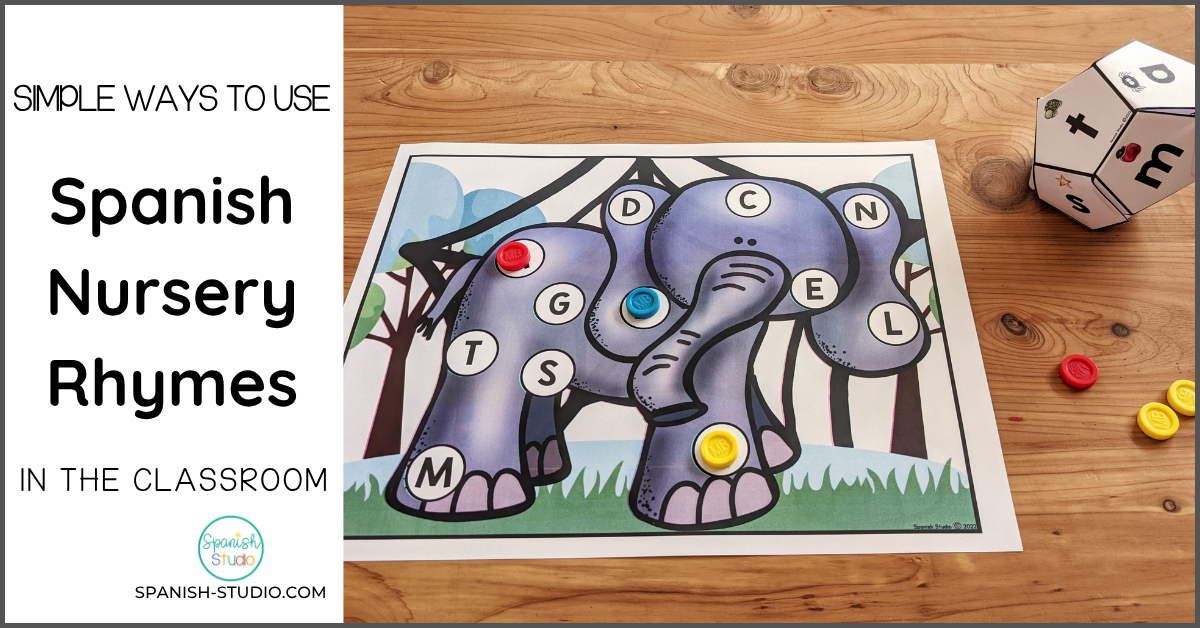
    Simple Ways to use Spanish Nursery Rhymes in the Classroom

    Nursery rhymes in Spanish are a great tool to teach Spanish. The simple lyrics, catchy beat, repetitive and rhyming nature of words make it fun, engaging and easy for students to remember. They help develop reading and listening skills at an early age. Plus, they promote creativity, social interaction, and physical development.  Why teach Nursery […]

    Read More